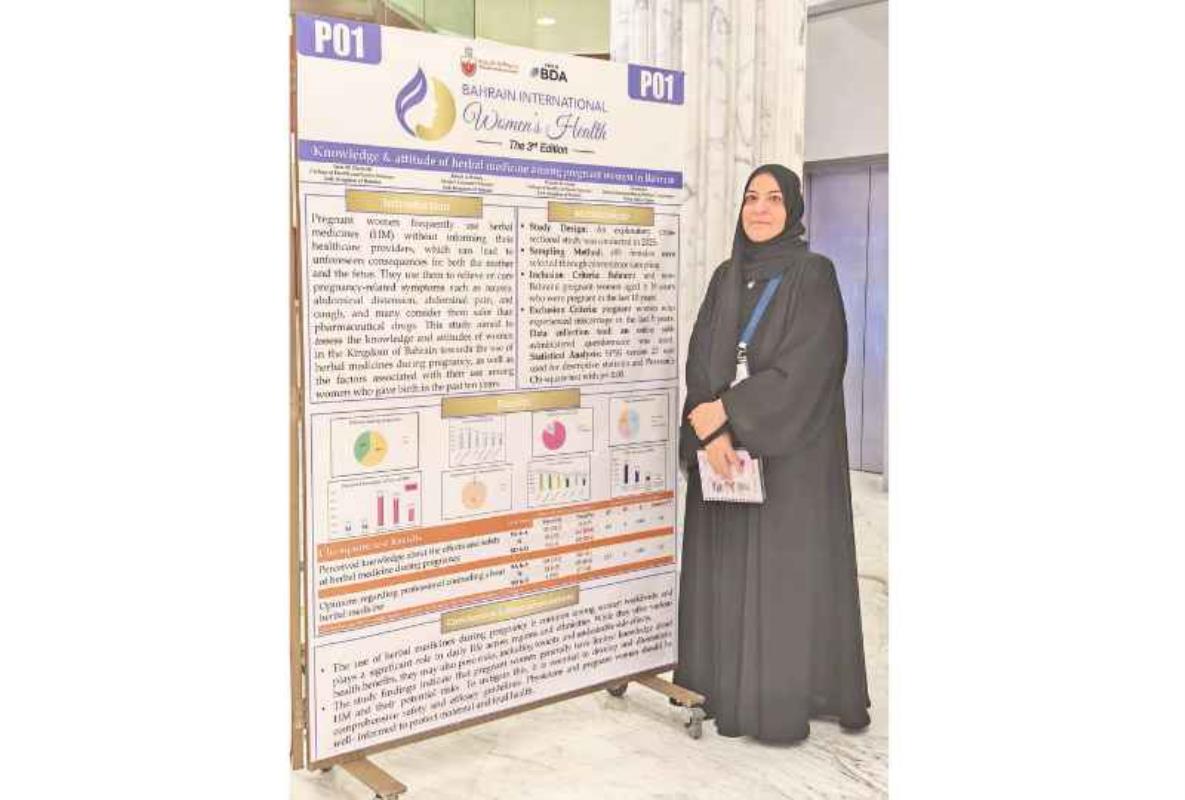


A majority of diabetic patients in Bahrain are unaware of the hidden health risks of artificial sweeteners, according to an emerging study.
Although many think of them as a ‘healthier’ alternative to sugar, mounting scientific evidence in recent years has found that some artificial sweeteners may have adverse health effects, potentially contributing to obesity, dementia, cardiovascular diseases, changes in the gut microbiome, and even an increased risk of certain cancers when consumed excessively.
Molecular medicine researcher Dr Rabab Wahab is calling for stronger communication between doctors and patients, urging physicians to better educate and monitor their patients’ use of artificial sweeteners.
“I conducted this research, in collaboration with researchers from Bahrain University, because diabetic patients need to understand both the advantages and disadvantages of artificial sweeteners,” Dr Wahab, a former Bahrain University assistant professor, told the GDN.
“They shouldn’t consume them without knowing how they work or the possible effects on their health.”
An artificial sweetener is a chemical or plant-derived substance used to provide sweetness in foods and drinks with few or no calories.
It is often used in diet sodas or low calorie beverages, ‘sugar-free’ foods, gelatin and puddings, cereals and more.
https://www.gdnonline.com/Details/1368682