
2,000 Officials, Academics and Investors from 60 Countries Attend International Forum
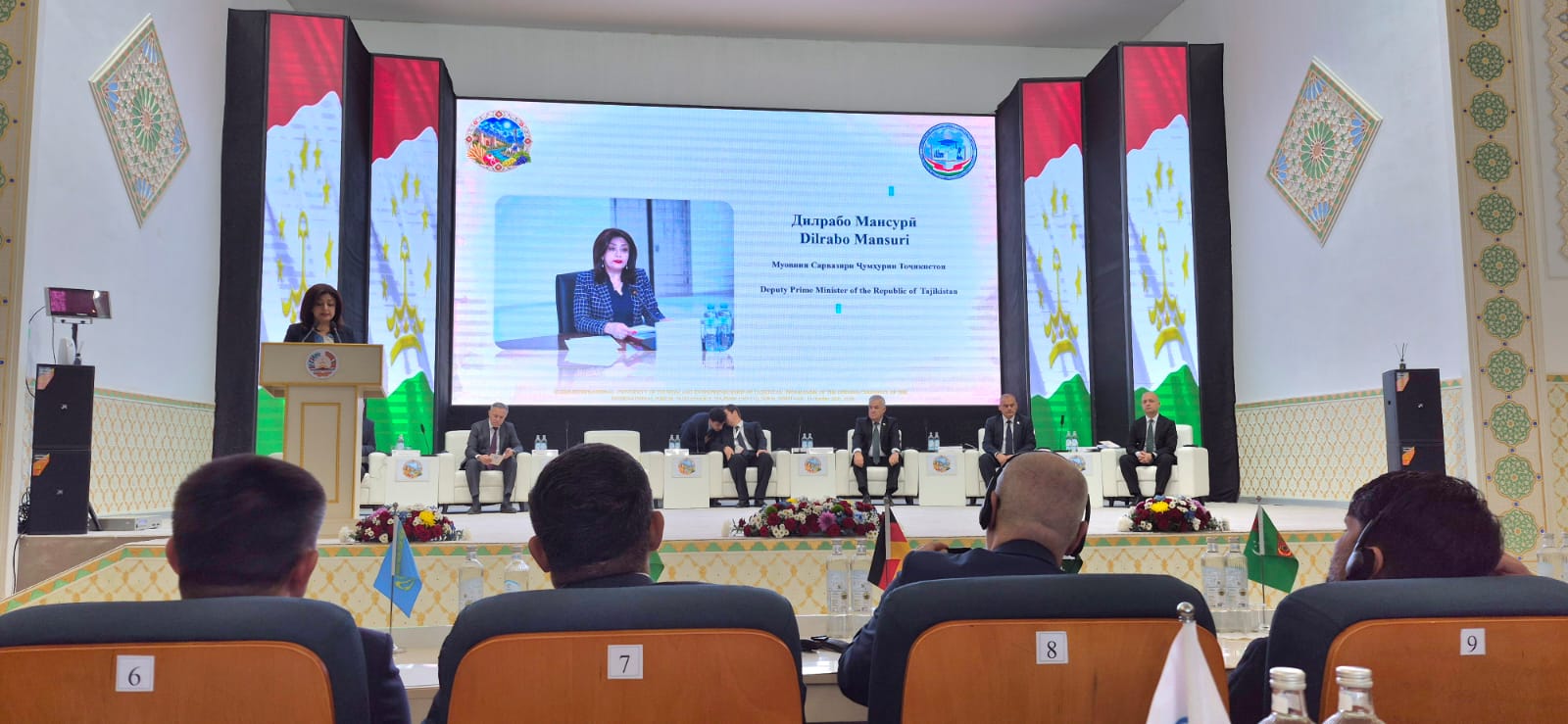
Against a festive backdrop reflecting the richness of Tajikistan’s heritage and the country’s renowned hospitality, the International Forum on “Sustainable Tourism and Cultural Heritage” opened yesterday in the capital, Dushanbe, bringing together around 2,000 representatives, experts, officials, academics and investors from more than 60 countries. The international event will continue until October 18.
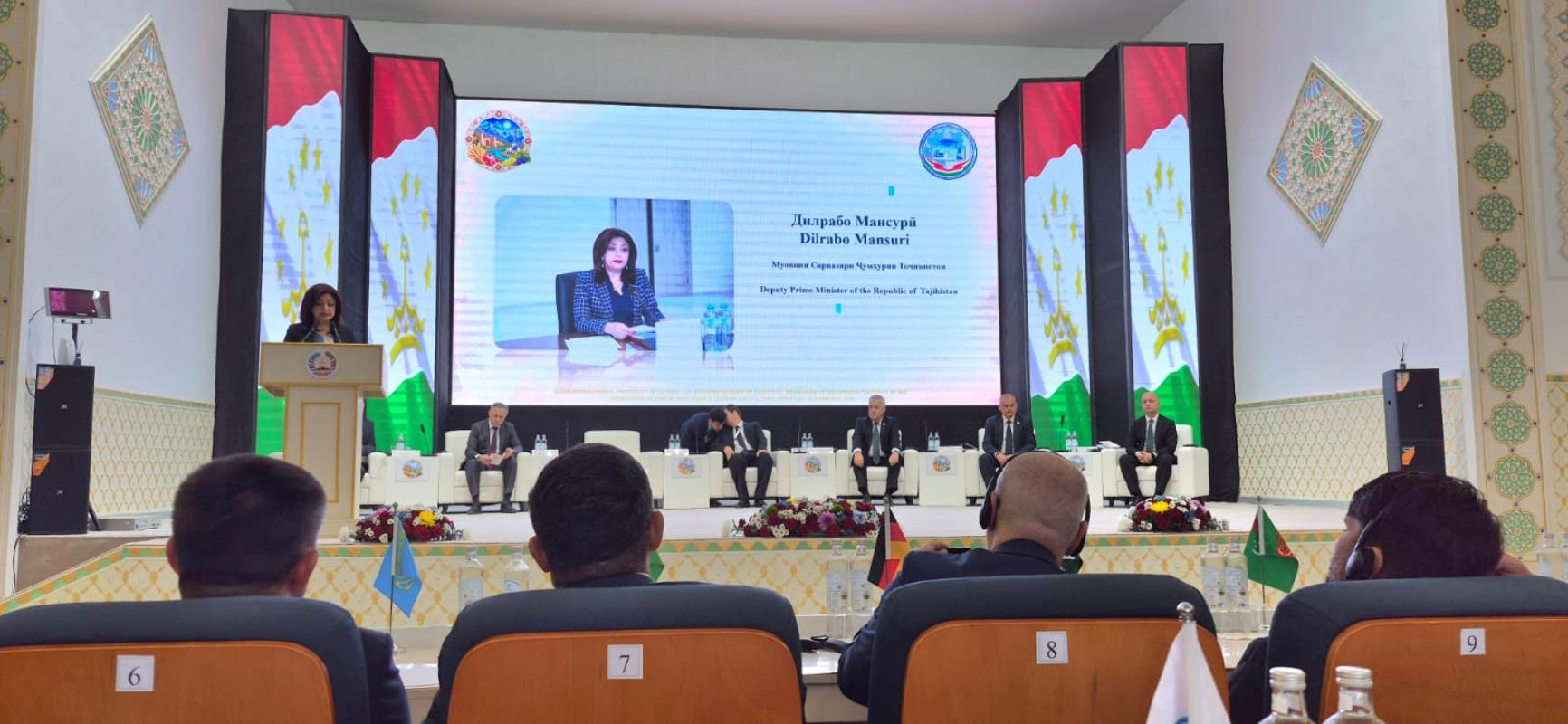
The opening ceremony was hosted by the International University of Tourism and Entrepreneurship of Tajikistan, in the presence of government officials, diplomats, representatives of international organisations, universities, tourism institutions and the private sector. The university’s auditorium became a platform for international dialogue on the future of tourism and its role in preserving cultural heritage and promoting sustainable economic and social development.
The forum coincides with Tajikistan’s celebrations of Mehrgon, the traditional harvest festival, which reflects the country’s agricultural traditions, handicrafts, national cuisine and culture of hospitality. In 2024, Mehrgon was inscribed on UNESCO’s Representative List of the Intangible Cultural Heritage of Humanity.

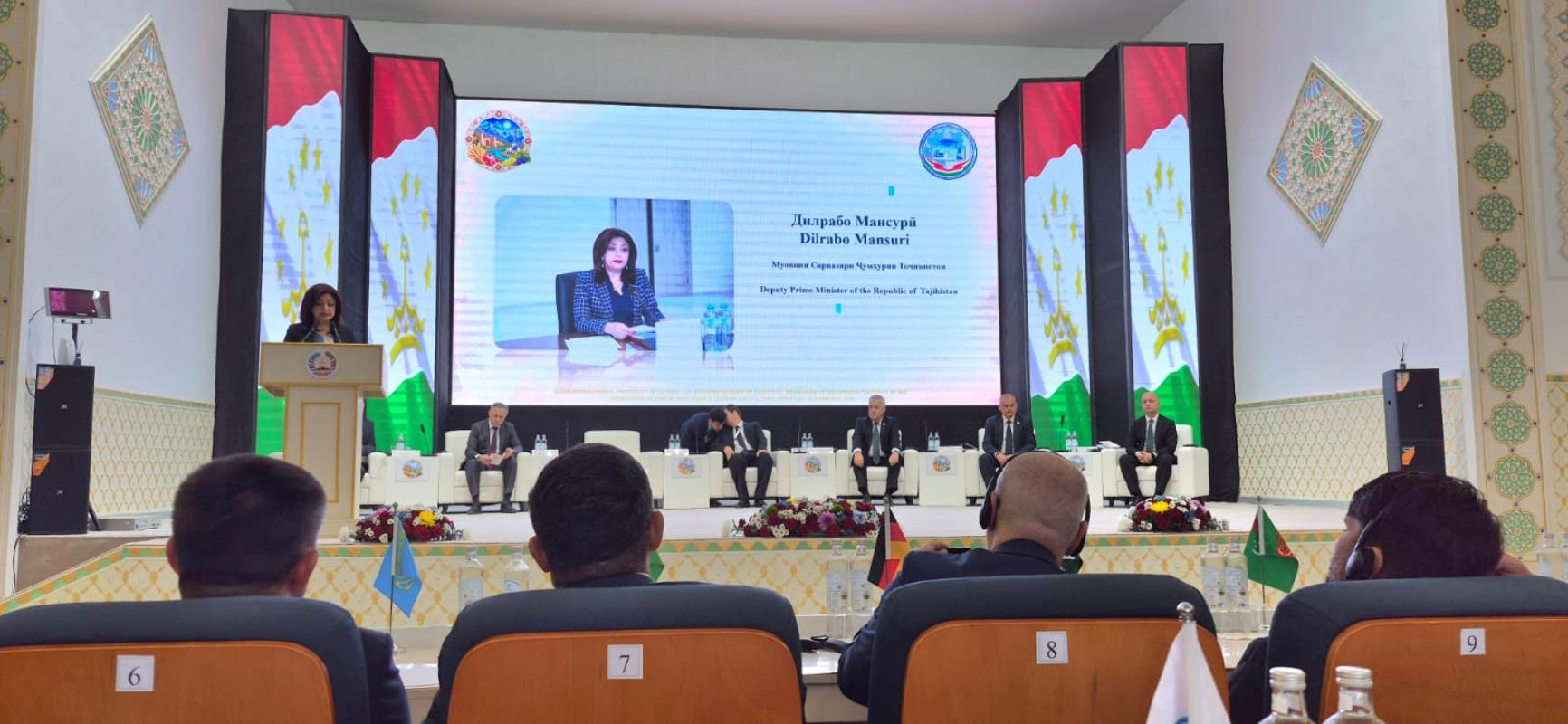
Dilrabo Mansuri: Tourism Is a National Priority
In her address at the opening ceremony, Dilrabo Mansuri, Deputy Prime Minister of the Republic of Tajikistan, emphasised the growing attention given by the Tajik government to tourism development and cultural heritage preservation. She highlighted the country’s considerable tourism potential and the government’s policies, particularly under President Emomali Rahmon, to develop the tourism sector while safeguarding national values and heritage.
She noted that tourism has become one of the priority sectors of the national economy, creating new employment opportunities, contributing to improved living standards and helping showcase Tajikistan’s natural, cultural and tourism assets to the international community.
Mansuri also highlighted the importance of preserving traditional handicrafts and reviving national customs and values, describing them as essential components of cultural identity and valuable economic resources that can be developed sustainably to benefit local communities and support tourism growth.
University President: Education at the Heart of Tourism’s Future
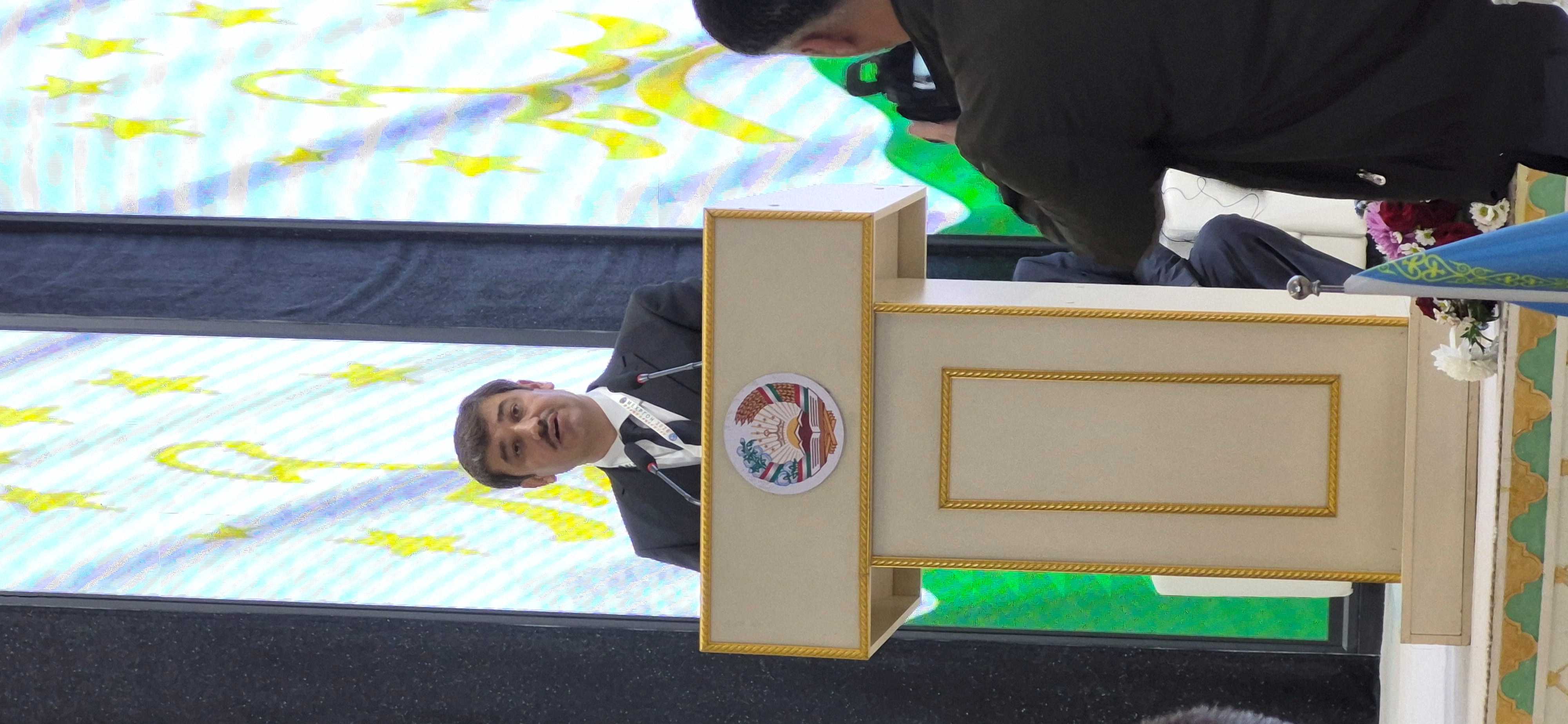
In his opening address, Asrorzoda Obidullo Sattor, President of the International University of Tourism and Entrepreneurship of Tajikistan, stressed the importance of international dialogue and the exchange of expertise among academic institutions and countries. He highlighted the role of universities in preparing specialised professionals capable of shaping the future of the tourism sector.
He underlined that the forum provides an international platform for dialogue and knowledge-sharing, while focusing on developing qualified professionals whose skills meet the evolving needs of the tourism industry.
This objective is particularly significant as Tajikistan expands tourism education and academic programmes related to mountain tourism, the green economy, sustainability, entrepreneurship and digital technology.
Tourism, Heritage and Investment: An Integrated Vision
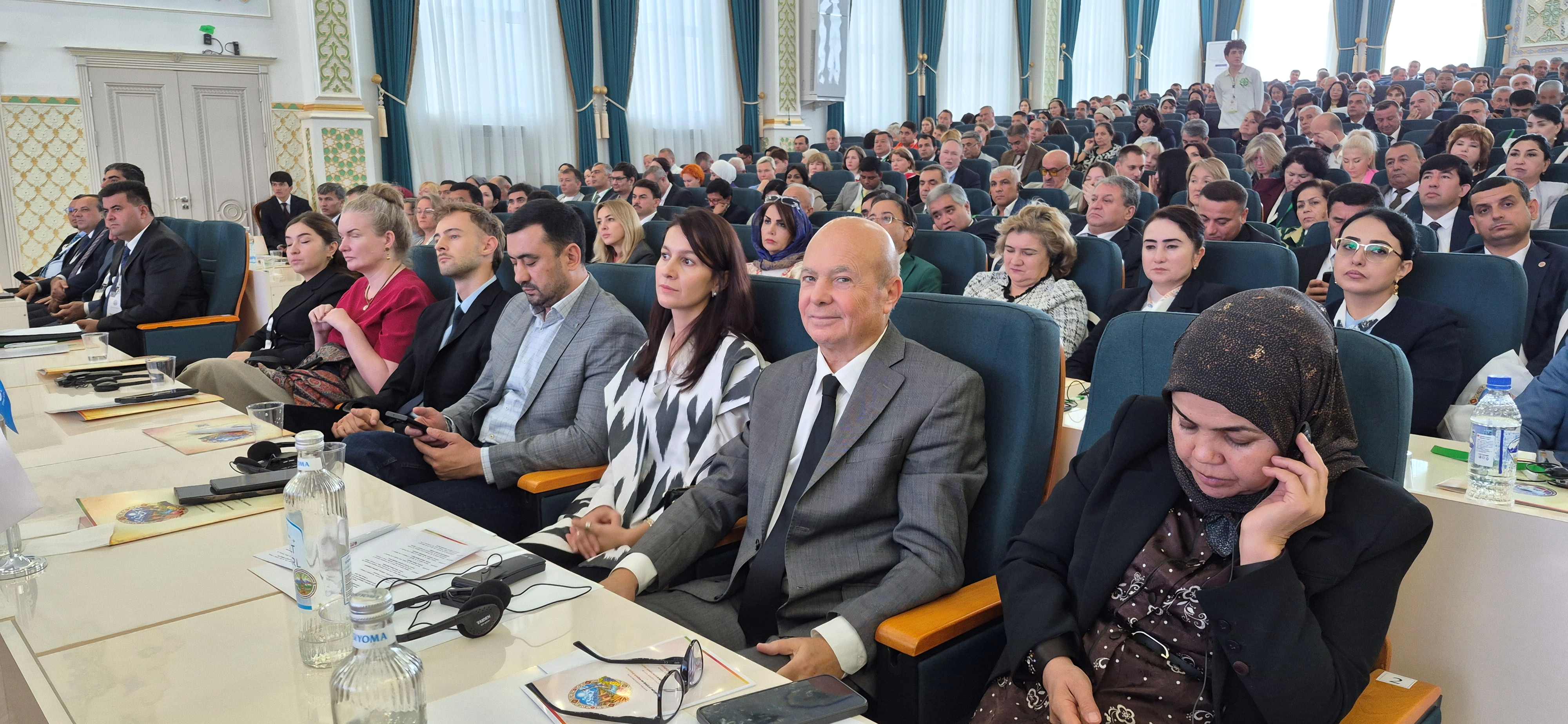
The opening session also featured addresses by Rahim Saidzoda, Tajikistan’s Minister of Education and Science; Jamshed Jumakhonzoda, Chairman of the Committee for Tourism Development; and Sherali Khojazoda, Director of the Agency for the Protection of Historical and Cultural Heritage, alongside participants and academics representing universities and international institutions from several countries.
Representatives of educational and scientific institutions from Bahrain, Pakistan, Russia and Uzbekistan also addressed the gathering, alongside Finnish poet and translator Kiamars Baghbani, reflecting the forum’s international and multicultural character.
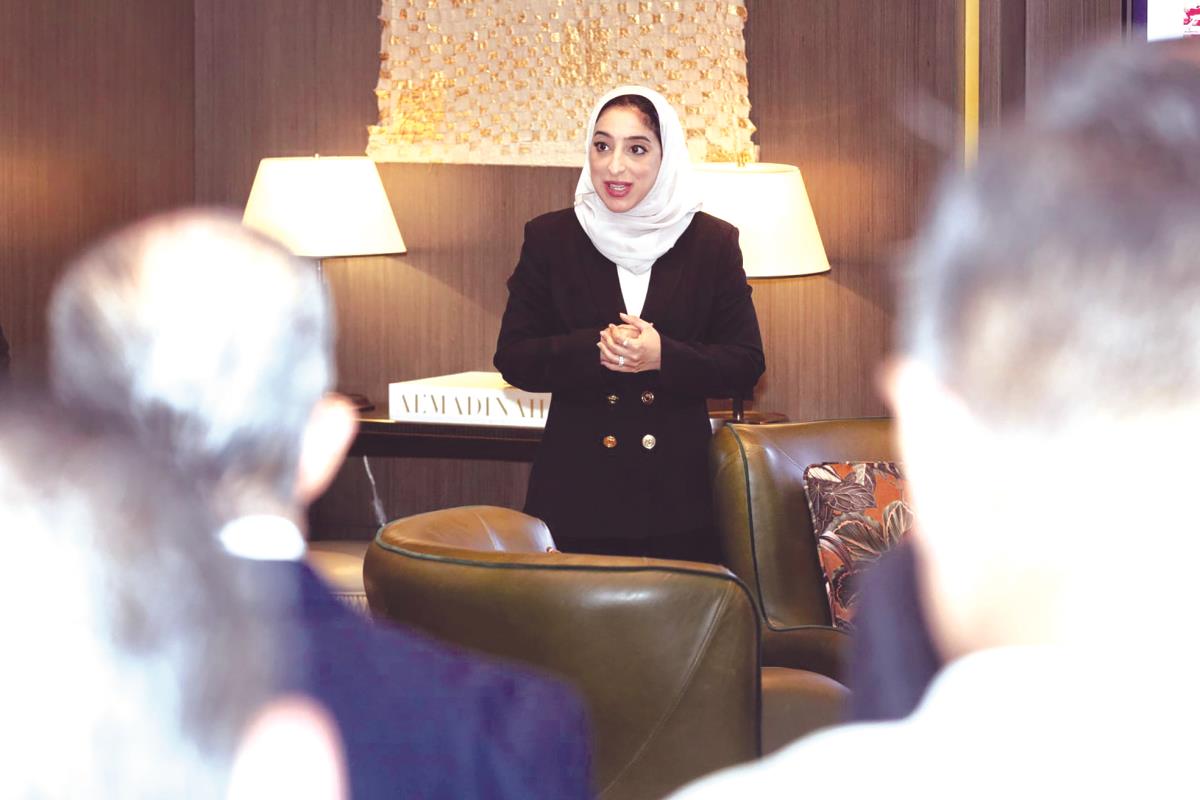
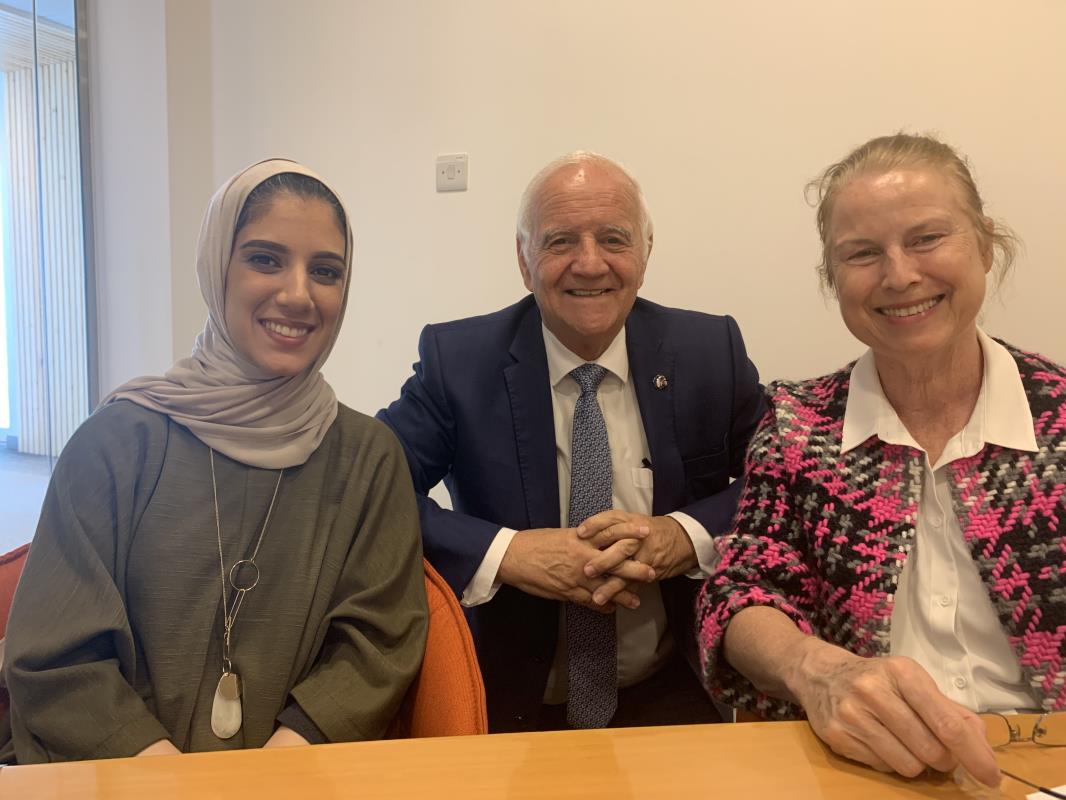
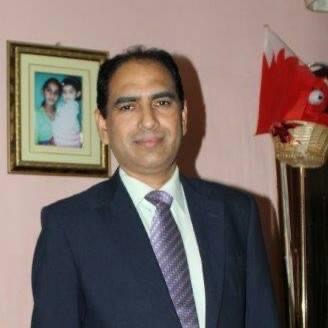
Dr Najma Taqi, President of Arab Open University in the Kingdom of Bahrain, emphasised in her address that tourism extends far beyond travel and the discovery of destinations. It serves as a bridge between peoples, fostering cultural understanding and safeguarding identity and heritage for future generations.
She stressed the responsibility of universities to prepare generations that understand the importance of sustainability, cultural diversity and responsible leadership. She called for academic programmes combining tourism, entrepreneurship, digital innovation and heritage management, while highlighting the potential of artificial intelligence and modern technologies to document historical sites and protect cultural heritage.
Taqi also underscored the importance of strengthening international academic cooperation through joint research, student and faculty exchanges, educational programmes and practical projects. She expressed her hope for expanded partnerships between universities in Bahrain and Tajikistan in tourism education, cultural heritage, entrepreneurship and scientific research.
Emphasising that heritage represents a responsibility towards future generations, she called for translating dialogue into practical initiatives that promote sustainable tourism and connect academic institutions with tourism industries and local communities, bringing peoples closer together and making cultural diversity a source of strength and cooperation.
Speakers and participants broadly agreed on the need to move beyond traditional tourism towards sustainable models that protect the environment, natural resources and cultural heritage while generating tangible economic opportunities for local communities.
The discussions also highlighted the importance of investment, tourism infrastructure development, the creation of new tourism products and routes, and stronger cooperation among universities, government institutions, tourism companies and investors.
2,000 Participants from More Than 60 Countries
The scale of international participation underscores the importance of the forum for Tajikistan. With around 2,000 participants from more than 60 countries, it ranks among the country’s prominent international events dedicated to tourism and culture this year.
The six-day forum features more than 20 events across Dushanbe and several other cities and regions, including Tursunzoda, Hisor, Nurek, Khujand, Danghara and Darvaz. Tajik, Russian and English are the three working languages of the forum.
The programme extends beyond academic conferences to include international scientific meetings, specialised seminars, tourism exploration trips, exhibitions of handicrafts and local products, cultural and culinary events, student competitions and tourism sports championships.